By Nassain Jones
•
May 16, 2026
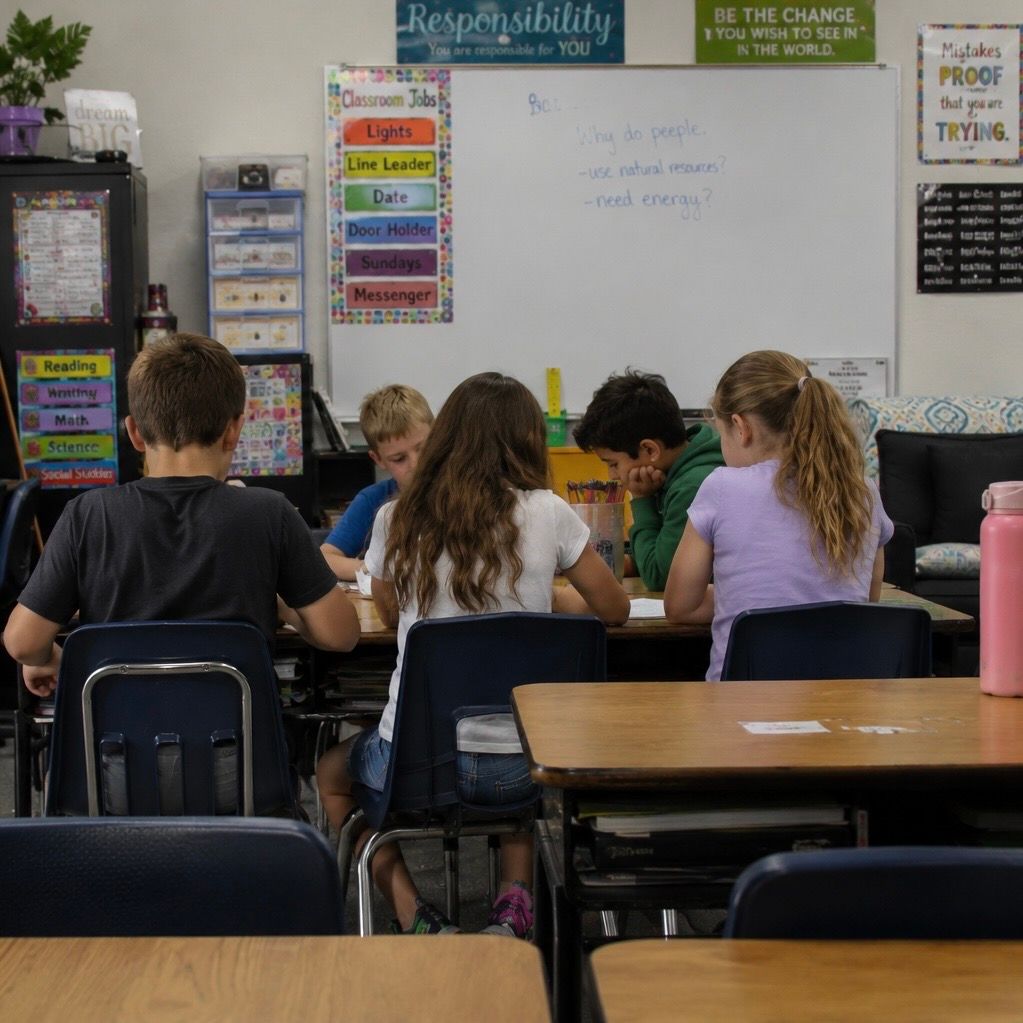
Nassain Jones As a gifted education specialist, one of the most important lessons I have learned throughout my career is that there is no single profile that accurately captures the idiosyncrasies, asynchronies, complexities, and vulnerabilities of gifted students. Like a garden, a school is full of diversity and beauty. Within this garden, our gifted students are the rare plants which, while a beautiful and necessary part of the ecosystem, often grow according to a different timetable and with different needs. Some bloom early but have fragile roots. Some appear dormant while developing rapidly underground. Some wilt in conditions where most plants thrive, while others flourish in environments that would overwhelm their peers. As teachers, we are the gardeners responsible for helping these students flourish. If we expect gifted students to thrive in learning environments that do not cater to their unique needs, we risk inhibiting their growth. At Secret Harbour, our motto is Leads the Way, and we strive to embody this in the way we support our high-potential students. Like cultivating a garden, building a program for gifted learners began with vision and hope, but quickly taught us humility. No gardener can scatter seeds and expect every plant to flourish in the same way, at the same pace, or under the same conditions. We first planted the seeds for change in 2019. After years of pull-out enrichment and extension programs, we realised we were not seeing the growth we had hoped for. A new plan was needed. This began with staff professional development, consultation with experts in the field, and visits to other schools to gain insight into their gifted programs. Combined with a leap of faith from an administration team willing to put plans into action, we began our journey full of optimism and excitement for the future. We understood the research: gifted students benefit academically and socially from regular access to similarly able peers, and the strongest gains are achieved when instruction is meaningfully differentiated. In the primary setting, however, 50% of instruction time is spent in literacy and numeracy, making it unrealistic to withdraw students from classrooms for half the school day. Recognising the importance of peer connection and appropriately challenging learning environments, the seeds for our Challenge Classes were planted. The Challenge Class initiative began with two clear intentions: to provide gifted learners at all stages of primary schooling with like-ability peers and thereby a sense of belonging, while also providing access to curriculum delivered at an increased pace and level of complexity. The classes allowed for curriculum compacting, movement beyond prescribed curriculum, and opportunities for students to explore ideas more deeply. The initiative launched with three multi-age classes across years 1-2, 3-4, and 5-6. Students were identified and invited to be a part of the classes using a range of measures, including standardised testing (NAPLAN, PAT), ability testing (CogAT, AGAT), and teacher observation. Purposeful identification processes ensured that all students were considered. As a result, Challenge Classes included, and continue to include, students from a wide range of backgrounds — twice-exceptional learners, students from Indigenous backgrounds - and an intentional balance of gender. Feedback from students and parents was overwhelmingly positive, but as a Challenge Class teacher, I noticed differences in students that I had not anticipated. I expected the learning to be different, but I was awestruck by the sense of community and belonging that developed. Students spoke openly about the freedom they felt in being able to truly be themselves. They unleashed their voracious appetites for learning and discovery without inhibition. However, as with all initiatives, there were stumbling blocks along the way. Some came to regard the classes as “tall poppies” and, in response, we sought to provide additional professional learning around gifted education. Some staff expressed concerns about perceived equity, the impact on mainstream classrooms, and student social development: What happens if students only socialise with like-ability peers? Won’t struggling students lose peer tutors? Education became the key — watering and nurturing both the program and our staff with a constant stream of research, resources, and professional dialogue to slowly shift hearts and minds. Seven years on, more than 200 children have moved through the Challenge Class program. While it remains very much a work in progress, we have learnt and grown considerably. The key lessons we have taken from the journey revolve around transparency, communication, flexibility, and ongoing development. A clear and transparent process for selection and ongoing monitoring is essential to ensure that staff at all levels understand the purpose, goals, and processes driving the initiative. Understanding not only what decisions have been made, but why they have been made, is critical. This requires a dedicated team to guide the process and communicate decisions clearly to staff. A common misconception is that the classes are formed solely on academic ability, when in reality they are based on “fit,” not “status.” To succeed, the classes also need to remain flexible: flexible in the way students move in and out of the program, flexible in curriculum delivery, and flexible in assessment practices to genuinely meet student needs. They must also communicate their purpose with empathy. The name Challenge Classes was originally chosen to emphasise challenge in pace and complexity rather than ability, and to encourage the development of grit and perseverance, often missing in some of our most gifted students when left unchallenged. However, this has not always been interpreted as intended, and it remains something we continue to reflect on — do the classes need a label at all, or can they achieve their purpose without one? Finally, ongoing development for staff — and, where necessary, parents — ensures that misconceptions and misinformation can be addressed professionally. As we know, gifted education is surrounded by substantial and often damaging myths. By addressing these openly, we create opportunities to build understanding first, and solutions second. To make this work, we have learned to listen carefully to the voices of our gifted students, as well as to the voices of staff, ensuring that everyone’s needs are acknowledged and individual differences are valued. After planting these seeds for change and growth, we have come far in our learning journey, though there is still more to learn. We are proud of what we have achieved and of the difference we have made in the lives of the many gifted learners we have had the privilege to support. Like successful gardeners, we have learned that observation, patience, experimentation, and a willingness to keep learning from the garden itself are the true keys to growth and success.