What Gifted Students Taught Me Beyond the Classroom
Hasan A. Talukder
Data & Enrichment Leader, Salesian College Chadstone, Melbourne.
There is a quiet assumption in many schools that gifted students will just be fine.
They do well in school, ask thoughtful questions, and often seem self-sufficient. But from my experience as a teacher and leader of a select-entry enrichment program, I know this assumption is one of the most damaging misconceptions in education.
Gifted learners are not just a group of high achievers. They are complex, diverse, and often misunderstood.
This is why the theme “Varied Voices, Shared Future” resonates deeply with me. Because the more I work with gifted students, the more I realise that their voices are not always loud, visible, or easy to interpret.
One student I taught showed outstanding mathematical reasoning, far beyond his year level. But he had a hard time with reading and writing because of dyslexia. His results on paper did not always show his true ability.
In a traditional classroom, it would have been easy to overlook his strengths.
But when he had the chance to explain his thinking out loud and work on complex problems, his ability was clear. This made me question my own ideas about what giftedness looks like and reminded me that ability does not always show up in typical schoolwork.
Another student, equally capable, presented very differently.
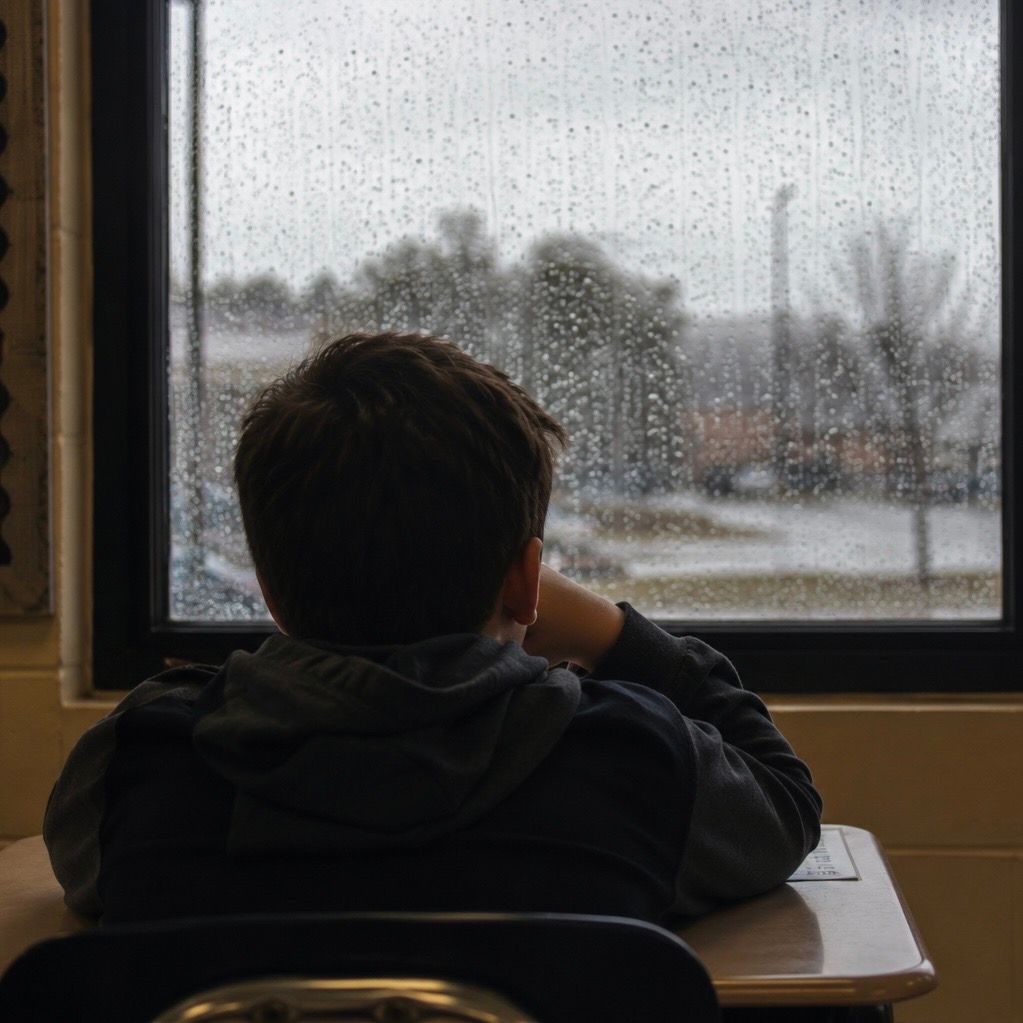
He was clearly capable, but his engagement changed a lot. Sometimes he seemed withdrawn, inconsistent, or unmotivated. It would have been easy to think he was not trying.
But behind this was a complicated family life and emotional stress that affected how he came to school each day.
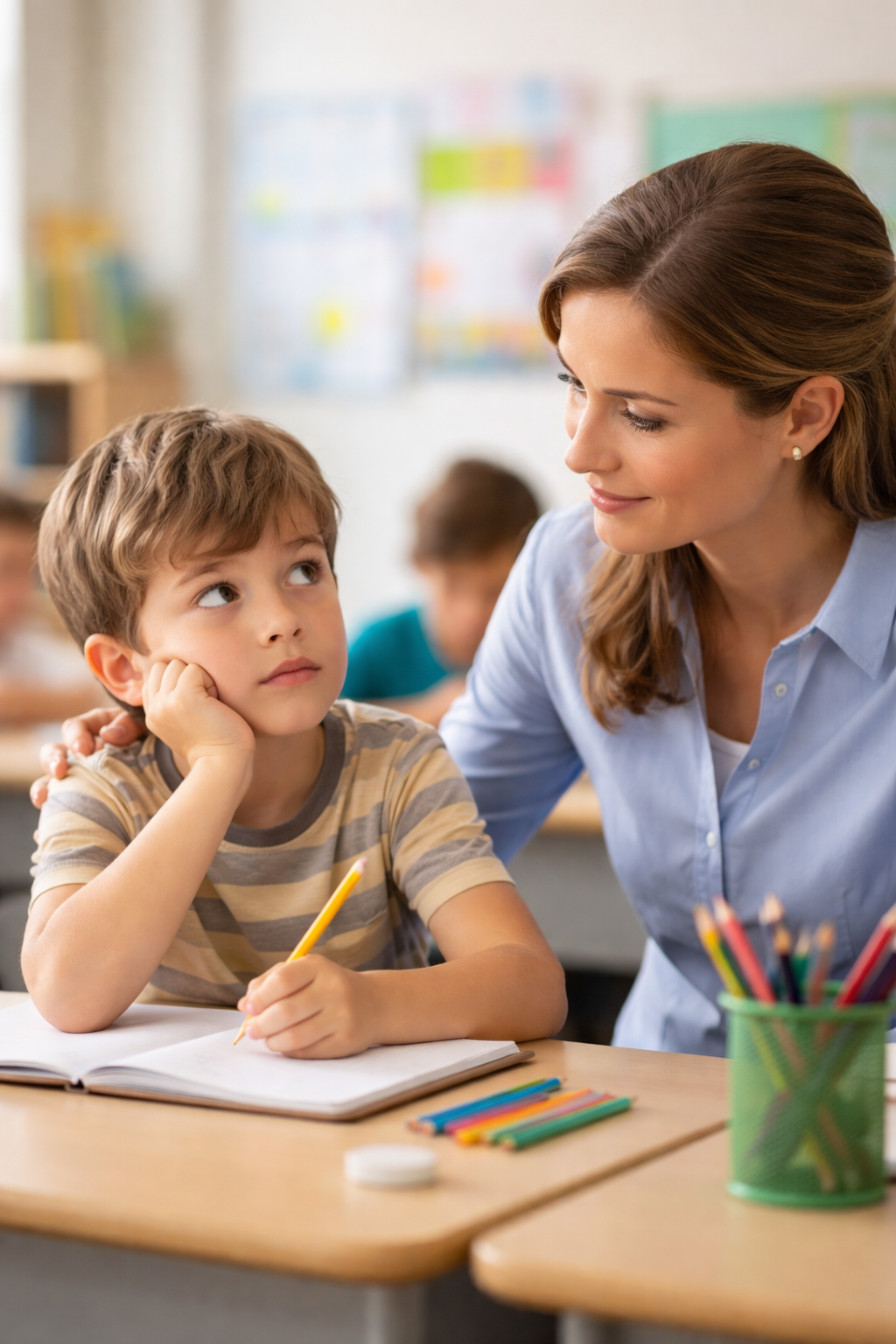
Helping him took more than just giving extra work. It took trust, patience, and a real effort to understand him beyond the classroom. As trust grew, so did his confidence and his willingness to join in and take risks in his learning.
These experiences have taught me a simple but important lesson:
Gifted education cannot be separated from the context of the learner.
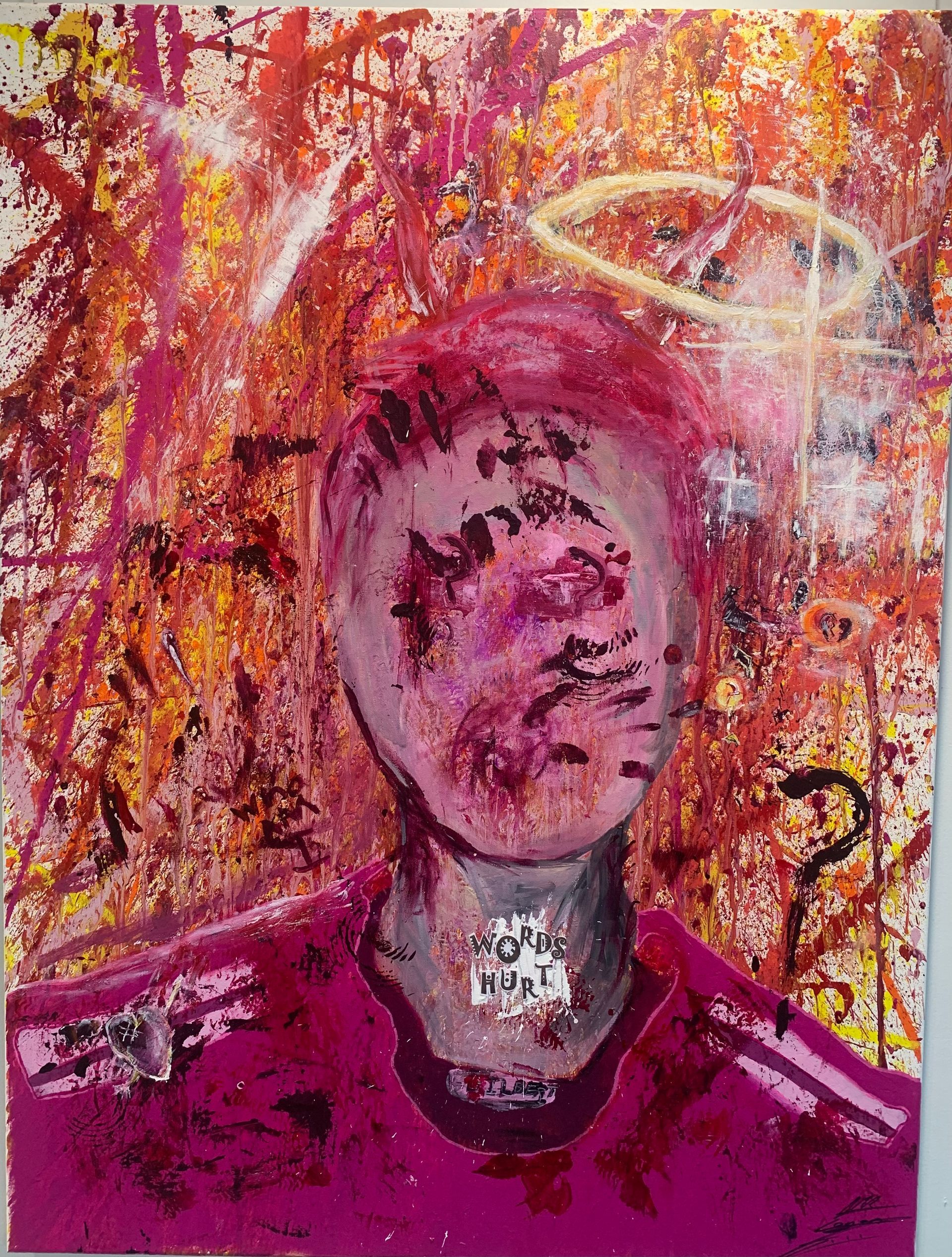
Gifted students may present through perfectionism, anxiety, avoidance, or inconsistency. If we focus only on achievement, we risk misreading these signals entirely.
One of the most transformative aspects of my work has been seeing students outside the classroom, particularly through our Capstone Program, where students complete a two-week immersion experience in China.
In the classroom, we often see students through structured tasks and academic expectations. But in China, those structures fall away.
Students move through new places, meet different cultures, and experience History, Geography, and Politics as real life, not just school subjects. Visiting historical sites, seeing city and country life, and thinking about the world helps them connect what they learn to real life in meaningful ways.
What struck me most, however, was not just the academic growth, but the sense of belonging that emerged.
Students who were quiet in class found their voice. Others grew in empathy, leadership, and independence in ways I had not seen before. Friendships grew stronger, and a sense of community started to form.
For many, this was the first time they truly felt connected, not just to their classmates, but to themselves as learners.
As a teacher, this experience reshaped my understanding of my students.
I started to see them not just as high achievers or underachievers, but as people dealing with complex challenges in their emotions, social lives, and learning. This changed how I worked with them in the classroom, making me more empathetic, flexible, and thoughtful.
In our select-entry Biretta Program, we often say we should be data-informed, not data-driven. This is because data helps us see patterns, but it is students’ real experiences that give those patterns meaning.
No single test, grade, or score can capture the full picture of any learner let alone a gifted one.
The theme “Varied Voices, Shared Future” is not just about noticing diversity. It is about responding to it.
It challenges us as educators to move beyond narrow ideas of giftedness and to create learning spaces that are responsive, inclusive, and human.
When we truly listen to the different voices of gifted learners, including those who are twice-exceptional, those facing complex lives outside of school, and those who do not fit the mold, we do more than just support them.
We help create a future where they are not only seen, but truly understood.
Disclaimer: The views and opinions expressed in this blog are those of the author and do not necessarily reflect the official policy or position of the AAEGT.
Share this resource
Resources