Grouping Gifted Students
Alex Krause of St. Philip's Christian College in Newcastle is helping to raise awareness during Gifted Awareness Week Australia 2022! Alex has designed these infographics to share with her school staff.
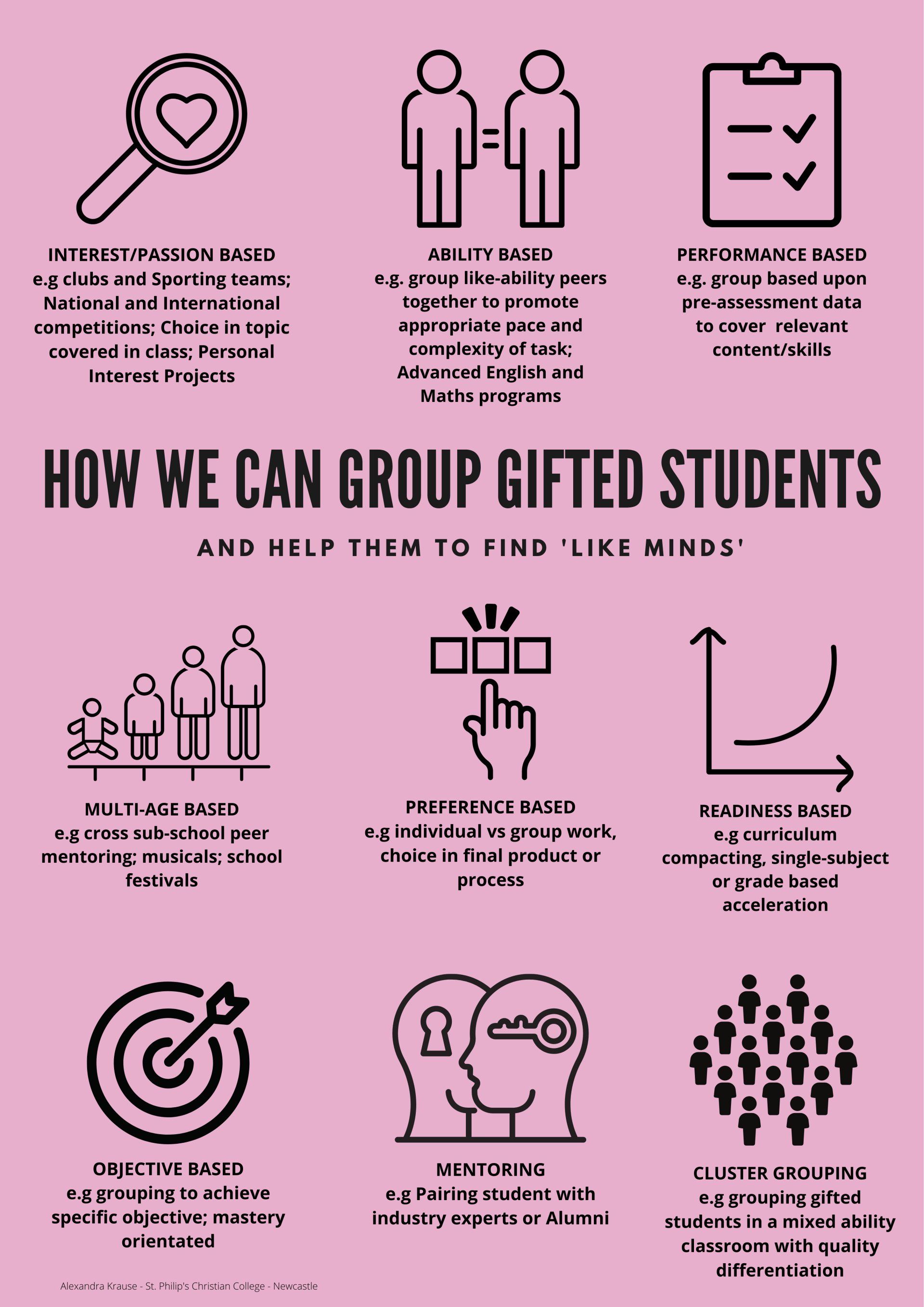
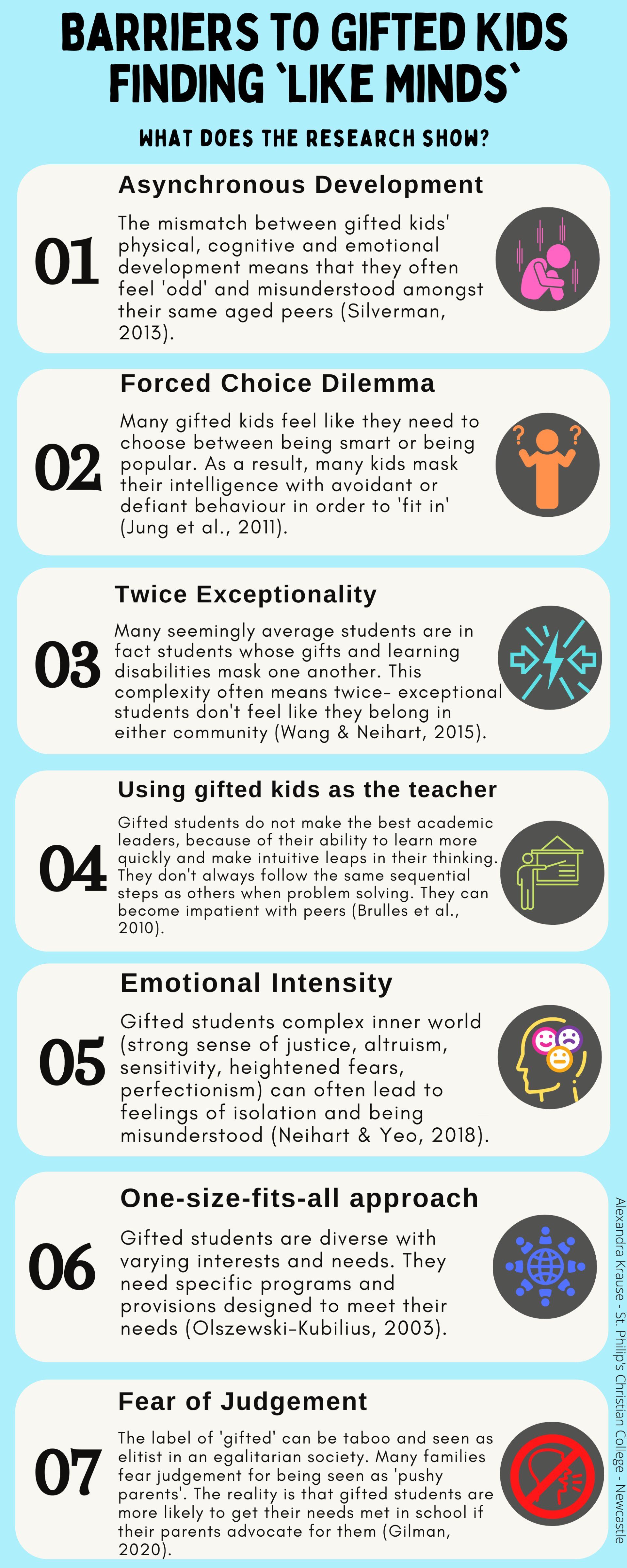
NB: Please note that this article only represents the views of the author(s), and is not necessarily representative of the views of the Australian Association for the Education of the Gifted and Talented.
Disclaimer: The views and opinions expressed in this blog are those of the author and do not necessarily reflect the official policy or position of the AAEGT.
Share this resource
Resources

"Why does time stop inside a black hole?" It isn't the question most educators expect to hear while supervising the block corner in an early learning centre. Yet for many early learning teachers, moments like this happen more often than people realise. One child spends an entire morning constructing an elaborate marble run while explaining gravity. Another wants to know why volcanoes erupt or understand the human heart, in detail. A four-year-old carefully inspects the vein structure of leaves, wondering why some have more veins than others, instead of making leaf rubbings. These children are sometimes described as being ahead. In reality, they are usually something else. They are developing differently. Giftedness in the early years is frequently misunderstood. Popular culture still suggests that gifted children are created through ambitious parenting, endless flashcards or expensive enrichment programs. However, the research tells a very different story. Long before children enter kindergarten or preschool, many gifted learners already demonstrate early development that simply cannot be explained by teaching or parenting alone. Researchers have found that many gifted children reach developmental milestones much earlier than expected. For example, earlier head control, sitting, walking, and fine motor development have all been documented, along with earlier speaking, often with surprisingly complex vocabulary and sentence structures. These findings remind us that giftedness is not manufactured. Rather, it is simply a different way of learning and growing. 1,2 This also helps explain why many educators observe children who appear remarkably advanced in one area while simultaneously needing support in another. This uneven pattern of growth, known as asynchronous development, can be particularly noticeable in young, gifted children. For example, a child may discuss planets with extraordinary sophistication while struggling to wait for their turn during group time. A preschooler reading chapter books may still need reassurance at drop-off every morning. These characteristics aren’t contradictory, and they aren’t signs that a child is not gifted. Gifted children are rarely ‘little adults’. Instead, these behaviours suggest that the intellectual development of gifted children often races ahead while their emotional, social or physical development continues at a pace that is entirely appropriate for their chronological age. Gifted children can still experience big emotions, perfectionism, frustration or separation anxiety, and their abilities don't eliminate the need for nurturing relationships with trusted adults. 2 Recognising this different pace of learning invites educators to rethink one of the most common phrases in early childhood education: ‘age appropriate’. Developmentally appropriate practice has rightly become a cornerstone of quality early childhood education. However, developmental stage and chronological age are not always the same thing. Gifted children frequently seek experiences that match the complexity of their thinking and their natural desire to understand their world, rather than the number of birthdays they have celebrated. This can also be seen in how gifted children choose to play. Play is one of the most natural and important things a child can do, and gifted children play as wholeheartedly as any other child. Their play is often the same as that of other kids, and sometimes it’s more complex. When a four-year-old wants to design a city with functioning transport networks, create an ecosystem for insects, or learn everything they can about Egyptian history, adults sometimes worry they are ‘missing out’ on childhood. In reality, this is childhood for them. It is simply imaginative play operating at the level of the child's thinking. For example, a city with transport networks is simply a block corner with more moving parts. An ecosystem for insects is a bug hunt that didn’t stop at the finding. These kids are engaging in the same wonder, pretend and exploration as their peers. It just might look a little different at times. Play is defined by curiosity, imagination and exploration, and for gifted children, it simply grows in complexity alongside their thinking. Gifted children's interests also tend to develop with depth and momentum. A topic that might hold another child's attention for a week can become a rich, evolving investigation. What drives this is a natural appetite to learn. Gifted children absorb new information quickly, often after a single explanation, and immediately want to know more. A child fascinated by insects is rarely satisfied with naming species. They want to understand ecosystems, adaptations, life cycles and how it all fits together. Their questions become increasingly sophisticated because their thinking naturally seeks depth and understanding. For educators, this presents a wonderful opportunity. Rather than redirecting these interests towards activities considered more suitable for the child's age, we should use them as vehicles for learning across every developmental domain. This is because rich conversations build language, drawing detailed observations strengthens fine motor skills, measuring, sorting and classifying introduce mathematical thinking, and collaborative investigations foster social skills. Sometimes gifted children can catch us off guard, and it's not uncommon for them to know more than we do about some topics. In such situations, we should treat this as a chance to learn alongside them. For example, saying "I don't know – let's look it up" both builds the child's knowledge, and supports their sense of belonging in the classroom. Gifted children can also be wonderfully enthusiastic sharers of everything they know. This can look like showing off, but it rarely is. Like all young children, they assume the people they love find their discoveries as thrilling as they do. The difference is simply the volume and sophistication of what they have to share. A four-year-old announcing facts about deep-sea creatures is doing exactly what any four-year-old does with their favourite drawing or a wobbly tooth - offering you something they treasure. Responding with "Wow, I didn't know that – and did you know…?" tells them their treasure has been received. Perhaps this is the greatest shift we can consider in early childhood education. Rather than asking whether an activity is appropriate for a child's age, we might instead ask whether it is appropriate for their unique stage of growth. Rather than wondering whether a child is too young to be interested in astronomy or engineering, we might simply recognise that curiosity has never paid much attention to birthdays, and choose to connect with the child instead. When we embrace stage-appropriate learning, we stop viewing gifted children as children who are rushing, or even being pushed, through childhood. Instead, we begin to appreciate them as children whose development doesn't follow the expected timeline. We can see them as children whose questions can be complex, whose interests might match those of older kids, and whose growth surges ahead in some areas while taking its time in others. These are not problems to fix, but characteristics to understand and work with. In doing so, early learning centres become places where every child can learn, wonder and play. References 1. Delaune, A. (n.d.). Infant giftedness: What does the research say so far? A scoping review of literature 1982-2024. 2. Hamdioui, S., & Vaivre-Douret, L. (2022). Developmental characteristics of intellectually gifted children from birth to six years: A systematic review. Children, 9(7), 1012. https://doi.org/10.3390/children9071012
Michele Juratowitch From the moment a baby is born, parents, family members and caregivers are constantly looking for reassurance that the infant is developing ‘normally’. Such attention is usually focused upon the baby reaching developmental milestones at the expected age or within what is regarded as a reasonable timeframe. Adults generally acknowledge that there can be individual differences in development and that infants can be slightly delayed in reaching some developmental milestones without this being a cause for concern. When a baby or infant appears to be developmentally delayed by several months, attentive parents will approach a medical practitioner, paediatrician or other child development specialist to seek reassurance that this developmental delay is within the normal range of development. If their child is found to have significant delays, parents naturally want to identify a cause for this delay (if possible) and to establish ways in which they can help to progress the child’s development. Attentive, aware and nurturing parents who arrange early identification, intervention and supports for the child who is developmentally delayed will achieve the best possible long-term outcomes for their child . What happens if the infant’s development is not ‘normal’, but in adifferent way? What happens if an infant’s attainment of developmental milestones does not fall within the expected age range but instead, these milestones are achieved ahead of the expected age range? Parents generally acknowledge that there can be individual differences in development and that infants can be slightly ahead in reaching some developmental milestones without this provoking comment. As with developmental delays, it is the degree of variance from the expected norm that seems to focus caregivers’ attention. Lists of the expected developmental milestones and the ages at which these are expected to be achieved are freely available. Despite what is listed, parents understand that a child’s development is not always linear, evenly spaced and consistent with the details on a chart. Babies and infants who are achieving milestones approximately one-third ahead of the expected age should be carefully observed to see if this was just a brief growth spurt or if this is a consistent pattern of advanced development. An infant, who exhibits other behaviours such as: an unusual level of alertness, heightened awareness and perception, greater curiosity, extended concentration span and advanced play patterns, may be exhibiting behaviours that are consistent with advanced development or giftedness. Just as parents of children with developmental delays might experience, there can be discomfort, distress or denial about a child’s developmental difference. Unsure what to do, a parent may initially ignore or deny that a child appears different from most other children in any way. Parents of young children with advanced development rarely seek clarification or suggestions from parents of other young children, afraid that their comments and questions may be perceived as boasting about their own child’s development. Within extended families, it may be seen as natural for a grandparent to exclaim excitedly about an infant’s behaviour or comment on what a young child can do; however this is easily dismissed as the bias of a proud grandparent rather than an informed awareness based upon their experience as a parent. Unless a child has behavioural difficulties or a concurrent area of disability (referred to as twice-exceptional), rarely do parents approach a paediatrician or other child development specialist to obtain information or advice if an infant or young child appears to be significantly advanced in attaining milestones, believing that such specialists are only available if the child is thought to have a delay or developmental disorder. Young children can show the early signs of being gifted, together with a disability, but often learning disabilities may not become apparent until a child starts school. Emeritus Professor Miraca Gross, Director of the Gifted Education Research, Resource and Information Centre (GERRIC) at the University of New South Wales, makes an important distinction about the degree of difference from the norm when she explains that every child is a gift; every child has relative strengths; however not every child is gifted because giftedness is a psychological and educational term that refers to the top ten percent of the population. Giftedness is not related to the value of a child. Surely we value and treasure every child, irrespective of their intellectual abilities and developmental stage. Parents understand that children learn and progress at different rates. Gifted children are able to learn and progress more quickly than others of a similar chronological age. This process starts early, with babies and infants demonstrating their advanced abilities by attaining developmental milestones at an earlier age than other children of the same chronological age. The early identification of delays, disabilities and needs can inform the ways in which parents and professionals can intervene early to support children who experience developmental difficulties. Similarly, the early identification of strengths, abilities and an understanding of the level of the child’s developmental advancement can guide parents and professionals in how they can appropriately stimulate, support and plan for young children who are gifted. It is never too early for parents to gain a better understanding of their child and to learn how to provide for their child’s needs © Michele Juratowitch michele@clearingskies,.com.au
D evon Harris When I was a child, my need for accuracy was often held against me. I was called pedantic. Difficult. Annoying. I learned, the way children do, that this part of me was a problem. So later in life, I worked on it. I let go of precision and changed who I was to be more palatable to the people around me. What I now refer to as “fit for human consumption.” As if I wasn’t before. After a degree in Youth Studies and a decade of working directly with young people, my son was born. Early on, I could see in him that same need to be precise, to have things properly named, and for correcting small errors. But this time I had a different philosophy, a new language, and the lived experience to know what was at stake. So I chose to honour this “perfectionism” rather than fix it. What followed was all sorts of wonderful. His perfectionism became a thermostat. When he was settled, safe and secure, his desire to perfect his drawings, his sentences, my sentences, was delightful and functional. A native, intelligent love of accuracy that produced careful, beautiful work. But when something was off, if he was overwhelmed from a huge day, or there was a need that was not being adequately met, or when feelings had piled up without time and space to express them properly, that trait would shift in texture. An urgency would appear, and repetitiveness or rigidity would emerge. The drawing had to be redone from the start, then redone again, or he’d refuse to put pen to paper at all saying “I can’t.” The trait had not changed. The conditions had. This is the distinction I now spend my professional life helping parents see. Perfectionism in a gifted child is not one thing. It is two. There is the trait. The genuine, native gifted love of precision, accuracy, and completion. This is to be welcomed, celebrated and stewarded, the way you would welcome other traits your child arrives with. And there is the strategy. The way the trait gets recruited by the child to meet their own safety and attachment needs when those needs are not being met for them. The urgency. The rigidity. The mountains of screwed up paper on the floor. This is a signal. It's our child madly waving a flag asking for our help. Children do not develop this strategy if they do not need it. They are not being difficult, or anxious, or fragile. They are reaching for safety with the only tool they have. What this means for parents (and for the practitioners who guide them) is that perfectionism is not always the thing to address. What we need to look at is the conditions that made the strategy necessary. When safety is restored and attachment needs are adequately met, the strategy retires itself. The trait remains in its delightful and functional form, and our child does not have to lose a part of themselves to be okay. This is also why I moved my work, years ago, away from working directly with children and to working exclusively with parents. Children recover inside relationships (a truth Gordon Neufeld has spent decades articulating) and attachment wiring means the relationship that matters most is the one the child already has. A profession cannot build in an hour a week what the parent already has, so my work is to equip parents with the understanding and the tools to read the thermostat accurately, and meet the needs underneath. This is what makes our parenting land in the ways that truly count. Getting an accurate read. The willingness to ask, what is my child telling me right now? The courage to meet what we find. For my son, I didn’t fix him, I learnt to read him. The thermostat told me what I needed to know. When I think of the child I was, and of the well-meaning adults who tried to correct the parts of me that they did not understand, I can see that they were not unkind. They were doing what the culture had taught them to do. But the cost of that correction was real (what Gabor Maté would call the trade of authenticity for attachment), and it took a hot minute to find my way back. My son will not have to find his way back. For the most part, he has been welcomed, exactly as he is, from the start. And his perfectionism, that beautiful, intelligent, sometimes inconvenient love of getting it right, has become one of his most reliable guides. It is mine, too. This piece is informed by the work of Aletha Solter (Aware Parenting Institute), Gordon Neufeld, Gabor Maté, and the broader gifted education field. I am indebted to these thinkers and to the parents I work alongside daily. Devon Harris is a parenting coach, writer, and the founder of Gifted Parenting. She works exclusively with parents of gifted children, drawing on Aware Parenting, attachment theory, and her own ongoing experience of raising a gifted child. She lives and works on Dja Dja Wurrung country in regional Victoria.

Sally Meggitt I sit on the couch with my 15 year old son and we talk moral philosophy. The conversation deviates at many turns and is interspersed with snippets from the latest science news or interesting words he’s come across, what might be their origin and then imaginings on other words that should be included in the English language….. or scrap that, we should invent a better language anyway. It ends in cannibalism as it often does, and the nature of ethics, morality and societal norms. My son is highly gifted, he is also adhd and autistic with a PDA profile which meant school in mainstream ended for him in year four after repeated bouts of throwing desks in meltdowns so severe he has no memory of them. He was placed in high needs support units where he spent the next 4 years trying to participate at an ‘age appropriate’ level while trying to understand how to learn, stay regulated and perform tasks they set. By the end of year 8 he had accomplished the goals of being able to exist inside the school environment but was becoming depressed. “Mum” he said “I know the school is doing all they can, but quite frankly, I feel like this is a waste of my life and childhood.” I pulled him out. He was right, the schools he had attended had done everything possible for him within what they could provide and with what he would participate in. They had worked with me, worked with him, and achieved quite a lot in terms of his regulation and self understanding, but he was collapsing trying to compress himself into the box they needed him to be in, in order to teach him. I didn’t want to homeschool, couldn’t imagine trying to get him to learn what he was supposed to, despite being a teacher myself. I didn’t think our relationship or my sanity could survive it, and he needed me as his mother and struggled to see me as having more than one role. We enrolled him in an amazing program run my aspect delivered as distance education, but it soon became obvious that this was not going to work either. My son could not manage the transitions between subject matter, could not do one class on a chapter of a book that covered a topic such as prejudice one week and then move to another topic the following. His mind just didn’t work like that. He needed to understand the topic fully, investigate all the avenues it led down: go off on tangents and play with the ideas, tease them apart, attack them, sift them, stomp on them and then glue them back together again and perhaps make an imaginary abstract sculpture or two as a side experience. He was distressed by it, bored by tasks that he found hard because he lacked the skills in and they required repetition, and mortified by his self described “failure” to be able to be a student in the expected way, even with all the accomodations he had in place. I conceded “defeat” and registered for homeschool, hoping I wouldn’t end up sued for being unable to “educate” him in the way that was prescribed by the syllabus content he had selected to study. I am under no illusion that I am “educating” my child. Do any of us really educate anyone? Education is something deeply personal, some coming towards, engaging with and incorporating into oneself understandings that allow us to build a model of the world and ourselves via which we can navigate life. He is doing this now with gusto, and I only do the leg work of trying to follow the journey and document it in a way that makes it look like the appropriate outcomes. I stand on the side lines trying to find leads in the forms of books and interests and experiences and documentaries that I place as a smorgasboard around him. He consumes, and then we talk. Secretly I worry. Secretly I wonder how I will find him someone else to talk to once he has out talked and out thought me. Secretly I wonder what becomes of a mind like his in academic and personal isolation like this. He does not. He is happy. He is bright and alive in a way I have not seen since he derailed in school in year 2. No longer having to fold himself into a box he could never fit or thrive in, he is unfolding in ways I could never have imagined. If he was judged by his performance at school, or where he would ever have got to inside the education system as it is today, he would have been deemed a “failure”……now he’s just delightfully, somewhat challengingly, himself.
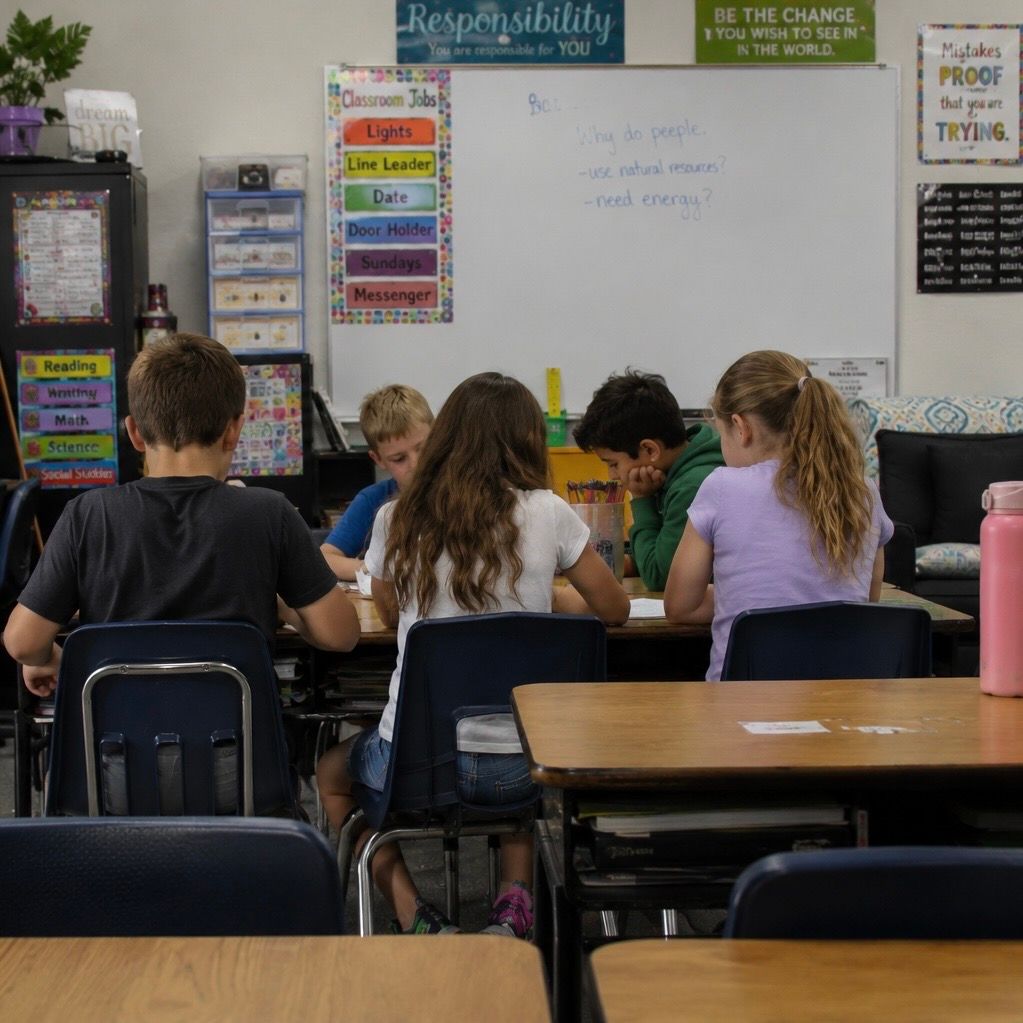
Nassain Jones As a gifted education specialist, one of the most important lessons I have learned throughout my career is that there is no single profile that accurately captures the idiosyncrasies, asynchronies, complexities, and vulnerabilities of gifted students. Like a garden, a school is full of diversity and beauty. Within this garden, our gifted students are the rare plants which, while a beautiful and necessary part of the ecosystem, often grow according to a different timetable and with different needs. Some bloom early but have fragile roots. Some appear dormant while developing rapidly underground. Some wilt in conditions where most plants thrive, while others flourish in environments that would overwhelm their peers. As teachers, we are the gardeners responsible for helping these students flourish. If we expect gifted students to thrive in learning environments that do not cater to their unique needs, we risk inhibiting their growth. At Secret Harbour, our motto is Leads the Way, and we strive to embody this in the way we support our high-potential students. Like cultivating a garden, building a program for gifted learners began with vision and hope, but quickly taught us humility. No gardener can scatter seeds and expect every plant to flourish in the same way, at the same pace, or under the same conditions. We first planted the seeds for change in 2019. After years of pull-out enrichment and extension programs, we realised we were not seeing the growth we had hoped for. A new plan was needed. This began with staff professional development, consultation with experts in the field, and visits to other schools to gain insight into their gifted programs. Combined with a leap of faith from an administration team willing to put plans into action, we began our journey full of optimism and excitement for the future. We understood the research: gifted students benefit academically and socially from regular access to similarly able peers, and the strongest gains are achieved when instruction is meaningfully differentiated. In the primary setting, however, 50% of instruction time is spent in literacy and numeracy, making it unrealistic to withdraw students from classrooms for half the school day. Recognising the importance of peer connection and appropriately challenging learning environments, the seeds for our Challenge Classes were planted. The Challenge Class initiative began with two clear intentions: to provide gifted learners at all stages of primary schooling with like-ability peers and thereby a sense of belonging, while also providing access to curriculum delivered at an increased pace and level of complexity. The classes allowed for curriculum compacting, movement beyond prescribed curriculum, and opportunities for students to explore ideas more deeply. The initiative launched with three multi-age classes across years 1-2, 3-4, and 5-6. Students were identified and invited to be a part of the classes using a range of measures, including standardised testing (NAPLAN, PAT), ability testing (CogAT, AGAT), and teacher observation. Purposeful identification processes ensured that all students were considered. As a result, Challenge Classes included, and continue to include, students from a wide range of backgrounds — twice-exceptional learners, students from Indigenous backgrounds - and an intentional balance of gender. Feedback from students and parents was overwhelmingly positive, but as a Challenge Class teacher, I noticed differences in students that I had not anticipated. I expected the learning to be different, but I was awestruck by the sense of community and belonging that developed. Students spoke openly about the freedom they felt in being able to truly be themselves. They unleashed their voracious appetites for learning and discovery without inhibition. However, as with all initiatives, there were stumbling blocks along the way. Some came to regard the classes as “tall poppies” and, in response, we sought to provide additional professional learning around gifted education. Some staff expressed concerns about perceived equity, the impact on mainstream classrooms, and student social development: What happens if students only socialise with like-ability peers? Won’t struggling students lose peer tutors? Education became the key — watering and nurturing both the program and our staff with a constant stream of research, resources, and professional dialogue to slowly shift hearts and minds. Seven years on, more than 200 children have moved through the Challenge Class program. While it remains very much a work in progress, we have learnt and grown considerably. The key lessons we have taken from the journey revolve around transparency, communication, flexibility, and ongoing development. A clear and transparent process for selection and ongoing monitoring is essential to ensure that staff at all levels understand the purpose, goals, and processes driving the initiative. Understanding not only what decisions have been made, but why they have been made, is critical. This requires a dedicated team to guide the process and communicate decisions clearly to staff. A common misconception is that the classes are formed solely on academic ability, when in reality they are based on “fit,” not “status.” To succeed, the classes also need to remain flexible: flexible in the way students move in and out of the program, flexible in curriculum delivery, and flexible in assessment practices to genuinely meet student needs. They must also communicate their purpose with empathy. The name Challenge Classes was originally chosen to emphasise challenge in pace and complexity rather than ability, and to encourage the development of grit and perseverance, often missing in some of our most gifted students when left unchallenged. However, this has not always been interpreted as intended, and it remains something we continue to reflect on — do the classes need a label at all, or can they achieve their purpose without one? Finally, ongoing development for staff — and, where necessary, parents — ensures that misconceptions and misinformation can be addressed professionally. As we know, gifted education is surrounded by substantial and often damaging myths. By addressing these openly, we create opportunities to build understanding first, and solutions second. To make this work, we have learned to listen carefully to the voices of our gifted students, as well as to the voices of staff, ensuring that everyone’s needs are acknowledged and individual differences are valued. After planting these seeds for change and growth, we have come far in our learning journey, though there is still more to learn. We are proud of what we have achieved and of the difference we have made in the lives of the many gifted learners we have had the privilege to support. Like successful gardeners, we have learned that observation, patience, experimentation, and a willingness to keep learning from the garden itself are the true keys to growth and success.
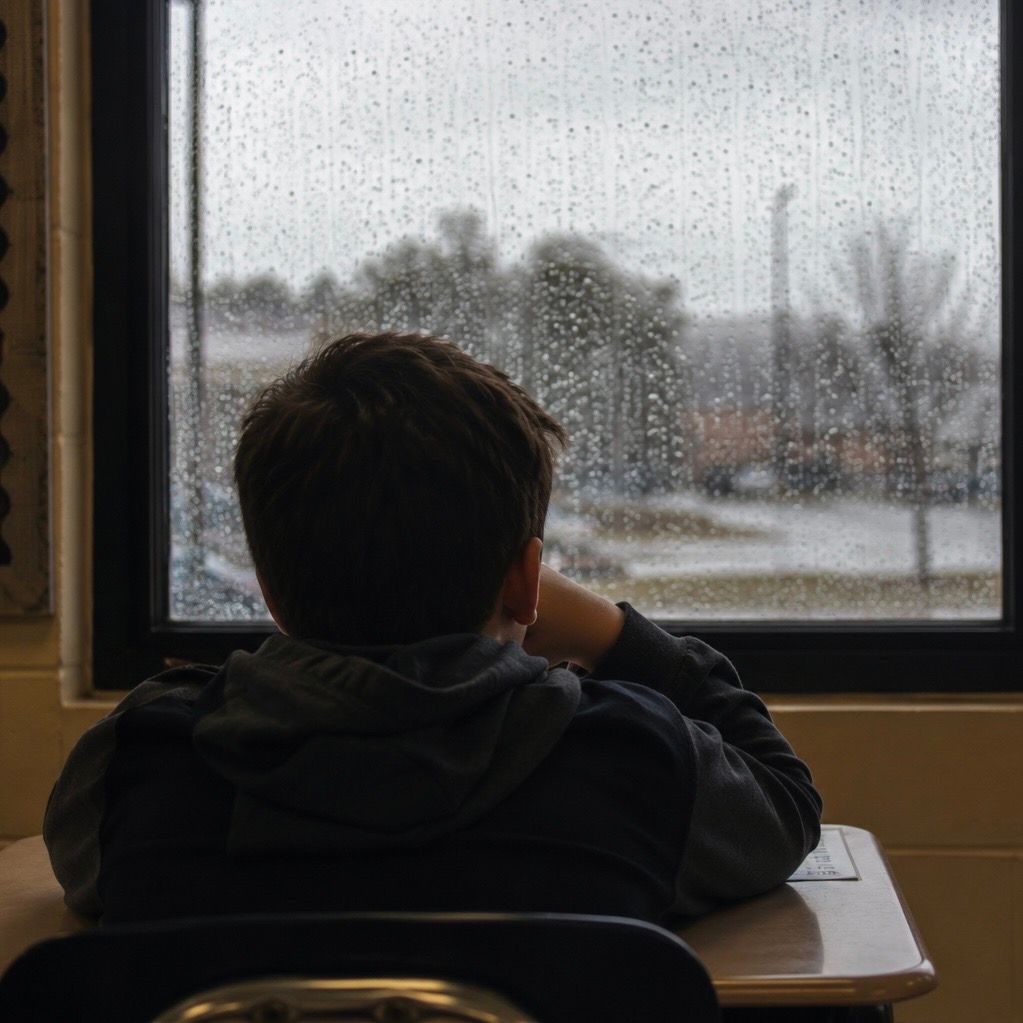
A note before reading: This piece touches briefly on a period of depression and thoughts of self-harm, shared as part of one person's lived experience. I’m gifted… apparently. 99.8% percentile. A few years ago, I did a test that informed me of the news. The whole world of giftedness began for me when trying to better understand the struggles my kids were having at school. Questions like “why are they like that” of course leads to an inevitable microscope placed upon yourself as the parent. In hindsight, knowing what I know now, giftedness seems obvious. But as a kid, I was not only completely ignorant to the idea but surrounded by classrooms where such a notion drew unwanted attention to yourself. I grew up in a relatively low socioeconomic area. At school, lessons were mostly an inconvenience. I remember once explaining to somebody in year 3 that my favourite time in class was during exams when it was raining outside. Some thought it weird, I guess because of that I may have questioned if it was too. Otherwise, school was about footy. Before school, morning tea, lunch, and then sprinting home the second the bell went. I only remember random snippets from primary school; one of my teachers’ obsession with lollies, the giant plastic mats with dishwashing liquid and hoses on the last day of the year, the goofy way a friend bolted out of a classroom one afternoon… I remember distinct events like they were yesterday, but generally it was mostly a blur and uneventful. I got along with pretty much everyone, but everyone was more of an acquaintance than a friend, except for one friend which you would describe as being close. High school wasn’t much different. Lessons again felt more like an inconvenience that interrupted sport. One of my Year 9 report card comments was: “He relies too much on his ability.” It sat beside a row of A’s. I only remember it because my parents found the report recently and handed it back to me. As an adult and knowing what I know now, it was part of the overall “ooooohhhhhh” realisation moment. Looking back, I cruised through school academically and never really learned how to study. Things came easily enough that I could get away with doing very little, and because of that, I never developed much discipline academically. Sport, cars, friends, footy, avoiding bullies - that was where my energy went. I did have one friend through high school who, in hindsight, I suspect was also gifted. I’ll call him Pete. There was a similarity in how we thought. We’d bounce between ideas, projects, plans and random interests. Pete had a knack for fixing or inventing things. We couldn’t afford a CD player in the car, nor keep replacing the eight D-sized batteries for his portable stereo, so he rewired the back of it with a cigarette lighter plug to draw 12 volts directly from the dash. We sat the stereo on the back seat and thought it was brilliant. Pete’s room was always littered with gadgets, wires, half-finished projects and things pulled apart to see how they worked. We stayed close throughout high school. Then I started university. I enrolled in a degree that, in hindsight, should have fascinated me. But something was wrong. For the first time in my life, what was being taught wasn’t just sticking. Worse still, I wasn’t interested. I’d sit through lectures feeling detached, then head off to training or skip classes entirely, figuring I’d just read the notes later and I’ll remember, and it’ll be fine. But I wasn’t fine. First semester was a scrape through. Second semester was littered with fails, withdrawals and subjects barely passed. I had no idea what was happening or why it was falling apart. Admittedly, I felt lost. I withdrew from university at the end of the first year. Over the next four years I worked full-time while studying part-time, accumulating pieces of numerous different degrees before eventually giving up altogether. Being part time, the lighter subject workload allowed things to “stick” a little better. I had no real direction, no real motivation, I watched my friends finish their degrees and start their careers. I felt like I had missed the starting gun and was left floundering. Slowly depression crept in. I joined the Army Reserves hoping that maybe doing something completely different might shake me out of it. It didn’t. Then, within the space of two months, the toys went out of the pram. I broke up with my girlfriend of four years, quit my job, walked away from the Reserves, and bought a one-way ticket to the other side of the world with no money behind me. Once through customs, I lived off baked beans and tomato soup, sleeping on floors, couches, and occasionally under large bushes in a park where nobody would notice me. My parents would have helped if they knew, but I made sure they didn’t. I didn’t want anything. I didn’t want a career, didn’t want to travel, didn’t really want to work. I just felt flat. There wasn’t much thought of self-harm. Sure, it came up as an option, but the response to that was simply: “That’s pointless as I won’t be around to enjoy the problems it solves.” Days turned to months. And then one night, one magical night, I had a night out with some old school friends who were also out that way. One of them days later dragged me to play rugby again. I later joined a rugby club and made new friendships with the team who had no idea how much of a turning point they had provided. I landed a job not long after and eventually enrolled in another degree. This time, a degree that I was intrigued with. I developed an interest in a career and found a desire to expand my education. For the first time in my life, I sat in a classroom excited about what I might learn. The first time. Ever. I was 25. Again, I thought it weird… who gets excited about learning something? Apparently, most people. I have since come to realise that the learning itself had never been the problem, rather the problem was that somewhere along the way I’d disconnected from it entirely. Nobody had ever really explained how my brain worked, nor noticed that cruising through school wasn’t necessarily the same thing as thriving. Due to this, the compounding effects (in my opinion) seem to have led to a loss of challenge, loss in direction, underachievement… you could include a loss of identity. In time I returned to Australia a very different person. Education wise, I then had two degrees (completed this time). I then also ran into Pete again in my late 20s. This time that connect wasn’t there with (as I later found out) him battling an opioid addiction which later manifested to a glass pipe. As it turns out, he too was lost post high school but encountered a different path. I deeply lamented on what might have, or rather, what should have been for him. Today, more and more is being learnt about gifted children and how to support them properly. It would be incredulous to suggest that all Pete’s problems stemmed from being a gifted person without support… but was it? We’ll never know. I do sometimes wonder what difference that understanding might have made for both him and me. What if somebody had pulled me aside and explained why interest and engagement mattered so much, or why coasting through school wasn’t a good thing without challenge? What if someone had challenged me properly before I disconnected from learning altogether? Maybe I would have achieved more. Maybe not in the end. But I suspect those six years after high school could have been far happier or fulfilling ones. I don’t really see my story as a warning about giftedness and what may occur if awareness or actions are not put in place. Plenty of people have had far harder journeys than mine. Rather, if anything, I see it more as an avoidable near miss. I got lucky. Others don’t.

We are very grateful to grade 8 student, Logan for sharing the below poem and artwork as part of Gifted Awareness Week. Logan reflects on what it can feel like to be a gifted young person. Reader note: Logan reflects on big themes including existential thoughts and death. We share it with care and thanks to his family.
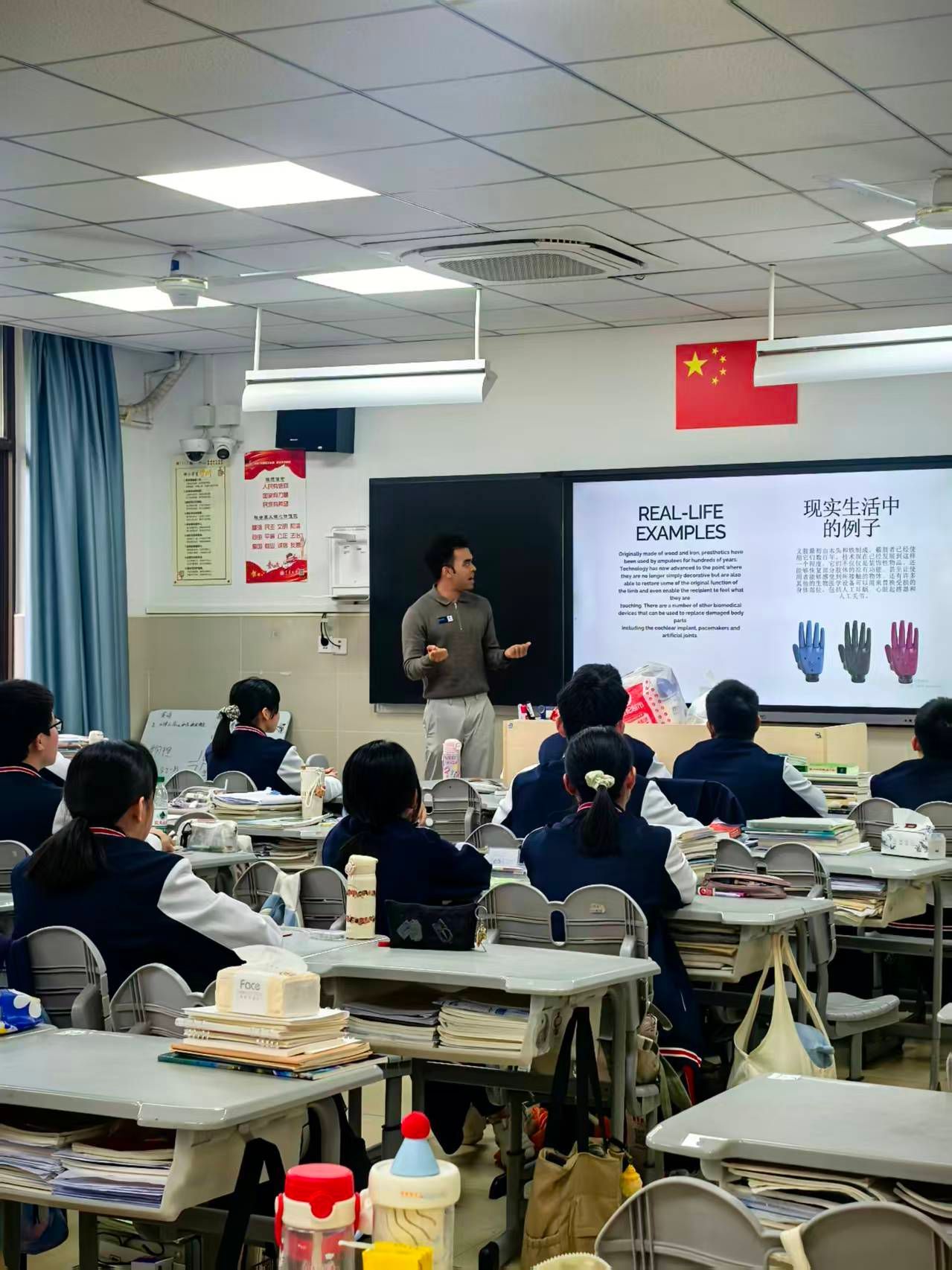
Hasan A. Talukder Data & Enrichment Leader, Salesian College Chadstone, Melbourne. There is a quiet assumption in many schools that gifted students will just be fine. They do well in school, ask thoughtful questions, and often seem self-sufficient. But from my experience as a teacher and leader of a select-entry enrichment program, I know this assumption is one of the most damaging misconceptions in education. Gifted learners are not just a group of high achievers. They are complex, diverse, and often misunderstood. This is why the theme “ Varied Voices, Shared Future ” resonates deeply with me. Because the more I work with gifted students, the more I realise that their voices are not always loud, visible, or easy to interpret. One student I taught showed outstanding mathematical reasoning, far beyond his year level. But he had a hard time with reading and writing because of dyslexia. His results on paper did not always show his true ability. In a traditional classroom, it would have been easy to overlook his strengths. But when he had the chance to explain his thinking out loud and work on complex problems, his ability was clear. This made me question my own ideas about what giftedness looks like and reminded me that ability does not always show up in typical schoolwork. Another student, equally capable, presented very differently. He was clearly capable, but his engagement changed a lot. Sometimes he seemed withdrawn, inconsistent, or unmotivated. It would have been easy to think he was not trying. But behind this was a complicated family life and emotional stress that affected how he came to school each day. Helping him took more than just giving extra work. It took trust, patience, and a real effort to understand him beyond the classroom. As trust grew, so did his confidence and his willingness to join in and take risks in his learning. These experiences have taught me a simple but important lesson: Gifted education cannot be separated from the context of the learner. Gifted students may present through perfectionism, anxiety, avoidance, or inconsistency. If we focus only on achievement, we risk misreading these signals entirely. One of the most transformative aspects of my work has been seeing students outside the classroom, particularly through our Capstone Program , where students complete a two-week immersion experience in China. In the classroom, we often see students through structured tasks and academic expectations. But in China, those structures fall away. Students move through new places, meet different cultures, and experience History, Geography, and Politics as real life, not just school subjects. Visiting historical sites, seeing city and country life, and thinking about the world helps them connect what they learn to real life in meaningful ways. What struck me most, however, was not just the academic growth, but the sense of belonging that emerged. Students who were quiet in class found their voice. Others grew in empathy, leadership, and independence in ways I had not seen before. Friendships grew stronger, and a sense of community started to form. For many, this was the first time they truly felt connected, not just to their classmates, but to themselves as learners. As a teacher, this experience reshaped my understanding of my students. I started to see them not just as high achievers or underachievers, but as people dealing with complex challenges in their emotions, social lives, and learning. This changed how I worked with them in the classroom, making me more empathetic, flexible, and thoughtful. In our select-entry Biretta Program , we often say we should be data-informed, not data-driven. This is because data helps us see patterns, but it is students’ real experiences that give those patterns meaning. No single test, grade, or score can capture the full picture of any learner let alone a gifted one. The theme “ Varied Voices, Shared Future ” is not just about noticing diversity. It is about responding to it. It challenges us as educators to move beyond narrow ideas of giftedness and to create learning spaces that are responsive, inclusive, and human. When we truly listen to the different voices of gifted learners, including those who are twice-exceptional, those facing complex lives outside of school, and those who do not fit the mold, we do more than just support them. We help create a future where they are not only seen, but truly understood.
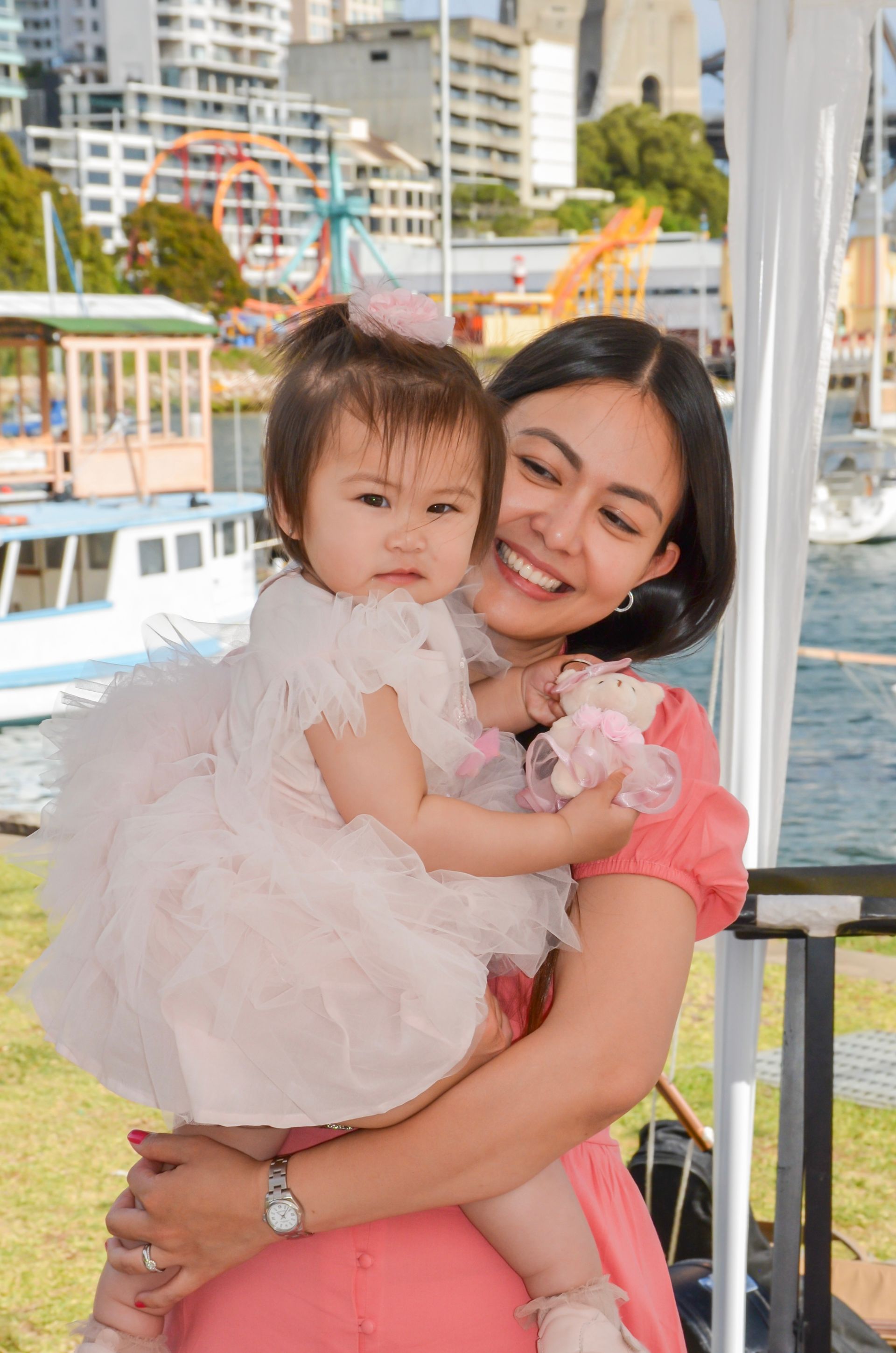
By Mary Grace Maquiniana Santos She walks through the world with wonder in her eyes, A mind that dances where imagination flies, At four, yet deeper than the years she’s lived, A soul so bright, with so much to give. Her questions bloom like stars in endless skies, Each thought a spark of sweet surprise, She reads with ease, as if she’s always known, In every word, her brilliance is shown. She moves to music with a graceful art, Each step and rhythm from her heart, She plays her songs so pure and true, A melody only she can do. With brush and colour, she creates her view, A world of beauty in every hue, Her art speaks softly, bold yet free, A glimpse of who she’s meant to be. Though time says four, my heart feels something more, Like I have known her long before, A bond that stretches past what we can see, A thread of love through eternity.

Amanda Larkin My mum was told in the 1980s that girls do not get ADHD. She did not believe them. Instead, she kept every medical report and school report. Thirty years later, those documents became the evidence I needed for a diagnosis that should have been recognised decades earlier. Reading those reports now, they practically scream twice-exceptional. Does not answer the question. Distracted. Could achieve so much more if she just paid attention. Wasting her potential. Wasting her parents' money on tutors and still only scraping through. Attendance dropping. There was no "school can't" back then. It was just called wagging. I spent most of my life believing I simply was not very smart. My ATAR equivalent was not high enough for university. I entered teaching through a side door, a non-direct pathway after a gap year, already convinced I was less capable than everyone around me. My brain did not work the way school expected. I could research for hours. Fall down rabbit holes of curiosity. Read endlessly. Learn constantly. But essays stayed unfinished. Deadlines slipped past. The Masters that began in 2003 never quite made it to the end. Crafts and projects piled in a shed with the moniker, “The Mausoleum of Lost Crafts.” Jobs lasted a few years before frustration and itchy feet set in and I moved on. For fifteen years of teaching, I masked. Every day felt like I was an imposter who was getting away with something. Like someone would eventually realise I did not really belong there. Then my children were identified as twice-exceptional. I did what I did best when I needed answers. I hyper-focused. I read everything. I researched late into the night. I learned how to advocate for them in systems that were not built to see them clearly. After fifteen years working with teenagers, I had already seen the pattern. I knew intelligence and school results were not the same thing. The research simply gave a name to what I had been seeing all along, along with the language and evidence to advocate for it. As I learned, I quickly started seeing my students differently too. The quiet ones. The frustrated ones. The ones who were bright but somehow never quite fit the expectation of reaching their potential. Then the advocacy part came quickly. It was not a lightbulb moment. It was a fierce need for justice. Justice for my children, justice for the students I had missed, and justice for future students so that they would never fall through the gaps on my watch. When someone mentioned that giftedness could be genetic, I laughed. Not a shy knowing giggle, but a deep-seated ironic chortle. The ADHD maybe. But giftedness? Not a chance. After the tireless nagging from supportive friends with kids like mine, I eventually agreed to an IQ assessment. When the results came back, I stared at the numbers in disbelief. How could that possibly be true? How could someone with those results have spent decades struggling to pass almost every formal learning experience she had ever had? Accepting that intelligence and school results are not the same thing was easy when I was advocating for children. Accepting that the same truth applied to me has taken far longer. It is still ongoing. Now I am learning something new. How to unmask. How to speak to myself with compassion. How to be authentically myself. My friends jokingly call me The Velvet Sledgehammer. An advocate who pushes back against systems that overlook the very learners they are meant to serve. My voice is varied, but it is far from rare. A girl who was unseen as a learner. A perfectionist. A people pleaser. A self gas lighter who believed she was below average on the smarts scale. This is why the theme of Gifted Awareness Week, Varied Voices, Shared Future, matters. Because giftedness does not always look the way we expect. Sometimes it looks like unfinished assignments. Falling attendance. Bright ideas that never make it onto the page. Sometimes it looks like a girl whose potential is written about in every report but never quite understood, supported and allowed to grow wings and fly. My future now is dedicated to amplifying those varied voices. The voices of our asynchronous, neurodivergent, gifted children so that they do not need to use their voices in order to be seen. That being seen is a given, not a privilege of luck or context. So that their varied voices are part of a shared future that is supported and understood long before they reach their forties and realise they were never the problem. A future where the narrow expectation of what giftedness is supposed to look like is a distant memory, replaced by recognition of the beautiful variety of gifted expression.